Comparing Onset Times Across Products
Different CBD products have varying onset times, primarily influenced by their method of consumption. When ingested orally, such as with gummies or oils, it may take anywhere from 30 minutes to two hours for the effects to kick in. This delay is due to the digestion process and the time it takes for cannabinoids to enter the bloodstream.
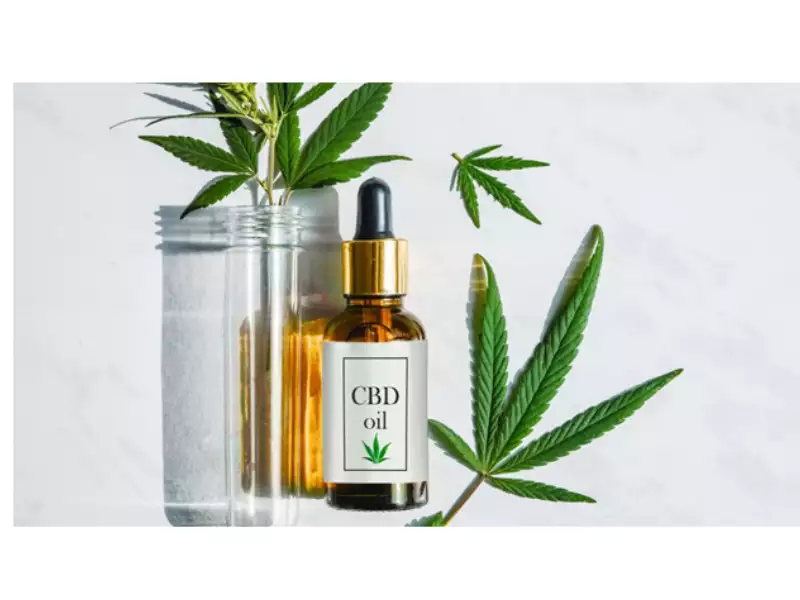
In contrast, tinctures often deliver quicker results, especially when taken sublingually. Holding the tincture under the tongue allows for faster absorption directly into the bloodstream, resulting in effects that may be felt within 15 to 30 minutes. Topicals, while effective for localized relief, typically take longer as they need to penetrate the skin layers, making their onset times less predictable compared to ingestible forms.
Which Method Works Best for Immediate Relief?
Certain CBD products offer faster onset times, making them more suitable for users seeking immediate relief from stress. Vaping or using CBD oils, especially when taken sublingually, tends to deliver results within minutes. The absorption of CBD through the lungs or directly into the bloodstream ensures quicker effects compared to other methods.
Alternatively, CBD gummies and edibles typically require additional time for digestion before any calming effects can be felt. This delay can range from 30 minutes to two hours, depending on individual metabolism and the product consumed. For those prioritizing rapid alleviation from stress, inhalation methods or tinctures stand out as the most effective choices.
Duration of Effects
Different CBD products can offer varying durations of relief. Generally, CBD oils and tinctures have a quicker onset but may not last as long. Their effects could be felt for around four to six hours, depending on individual metabolism and dosage. On the other hand, gummies tend to provide relief that lasts slightly longer, often up to eight hours, as they need to be digested before entering the bloodstream.
Topicals offer a more localized form of relief, which may persist for several hours depending on the specific formulation. Users may find that the effects of topicals are noticeable during physical activity or stressors, providing immediate comfort in targeted areas. Each product type serves different needs, catering to individual preferences in both duration and experience.
How Long Will Stress Relief Last with Each Option?
The duration of effects from CBD products can vary significantly based on the form consumed. For instance, oils and tinctures tend to provide relief for four to six hours, as they are absorbed quickly into the bloodstream. In contrast, gummies often provide a longer-lasting effect, typically extending between six to eight hours. This difference is primarily due to the digestive process, which takes longer for gummies to metabolize.
Topicals, on the other hand, can offer focused relief for localized areas and may last around three to five hours, depending on the absorption rate of the skin. Factors such as individual metabolism, dosage, and the specific product formulation can further influence the overall duration of stress relief. Choosing the right CBD form involves considering personal preferences and how long relief is needed for various situations.
Flavor and Sensory Experience Matters
When it comes to choosing CBD products, flavor and sensory experience play a significant role in consumer satisfaction. Gummies often offer a variety of fruity flavors that can mask the earthy taste typically associated with CBD. Many users prefer these sweet options for their enjoyable taste, making them an appealing choice for those who may be averse to the flavor of oils or tinctures. Meanwhile, tinctures and oils may have a more pronounced herbal or nutty taste, which can be off-putting to some. For those who prioritize taste, flavored tinctures and oils are available to enhance the experience.
Aroma can also influence one’s perception of a CBD product. Topicals often have a pleasant scent, commonly infused with essential oils or natural fragrances. This can create a calming atmosphere, especially when used in a self-care routine. The sensory experience can lead to an added layer of relaxation and comfort, appealing to individuals looking for holistic approaches to stress relief. Carefully considering flavor and aroma helps consumers align their choices with personal preferences, which can ultimately enhance the overall effectiveness of the product.
Choosing Products Based on Taste and Aroma
The experience of using CBD products can significantly differ based on their flavor and aroma. Gummies often come in a variety of fruity flavors, making them a popular choice for those who enjoy a sweet treat. Oils, on the other hand, may possess a more earthy taste that some users find off-putting, though flavored options are available to enhance palatability. Tinctures provide versatility in dosing but may have a stronger botanical flavor. Meanwhile, topicals usually carry little to no flavor, focusing instead on soothing sensations for targeted relief.
Personal preferences play a crucial role when selecting a CBD product based on sensory experience. Some individuals might prioritize a pleasant taste, gravitating towards gummies or flavored oils, while others might prefer the straightforward application of tinctures or the localized effects of topicals. The aroma associated with certain products can also influence the overall experience. Those sensitive to taste and smell should consider trying small sample sizes to determine their preferences before committing to larger purchases. The interplay between flavor, aroma, and effectiveness may ultimately guide users toward the best option for their stress relief needs.
Safety and Side Effects of CBD Products
When exploring CBD products for stress relief, it is essential to be aware of the potential side effects associated with their use. Common side effects reported include tiredness, changes in appetite, and gastrointestinal discomfort. While many users experience minimal side effects, individual reactions can vary based on factors such as dosage and personal sensitivity. Consulting with a healthcare provider before starting any CBD regimen can help mitigate risks and ensure a safe approach to managing stress.
Safety considerations also include the quality and source of the products. It is crucial to purchase CBD from reputable manufacturers who provide third-party lab testing for their products. This transparency ensures that the items are free from harmful contaminants and accurately labeled for CBD content. Consumers should also be cautious of purchasing CBD products that claim unrealistic health benefits, as these may not be supported by scientific evidence. Understanding these factors will help individuals make informed choices as they incorporate CBD into their wellness routines.
What to Know Before Trying CBD for Stress
Trying CBD for stress relief may seem appealing, but understanding the potential side effects is crucial. Some users report mild side effects such as fatigue, dry mouth, or changes in appetite. These reactions can vary depending on the individual and the dosage. Consulting with a healthcare professional before starting any new supplement, particularly if you have pre-existing conditions or are taking other medications, is wise.
In addition to potential side effects, considering the quality of the product is essential. The market for CBD is largely unregulated, so researching brands and opting for third-party lab-tested products can ensure safety and potency. Reading customer reviews and checking for certification can help in making an informed choice. Starting with a low dose and gradually increasing while observing effects can help in finding the right balance for stress relief.